A cracked wall, a sticking door, or a sloping floor can seem like minor annoyances, but they are often early warnings that your foundation is under stress. Left unaddressed, foundation problems can escalate quickly, threatening not just your home’s structural integrity but its resale value and your family’s safety. The good news is that most foundation issues develop slowly and leave clues long before they become emergencies. Understanding what causes these problems, how to spot them early, and which professionals to call can save you tens of thousands of dollars and years of stress.
Identifying Early Warning Signs of Foundation Movement

Foundation damage rarely appears overnight; it typically builds gradually as soil shifts, moisture levels change, or structural loads settle unevenly. Homeowners who catch these signs early have far more repair options and lower costs than those who wait until the damage is severe. Cracks that appear in a stair-step pattern along brick or block walls are especially telling, as are gaps forming around window and door frames. Paying attention to these details during routine home maintenance walks can make a significant difference in long-term outcomes.
- Diagonal or stair-step cracks in brick, block, or drywall
- Doors and windows that stick or no longer close properly
- Uneven or sloping floors detectable with a level or marble test
- Gaps between walls and ceilings or between walls and floors
- Visible tilting of chimneys or porch structures
Understanding How Soil and Drainage Affect Structural Stability
The ground beneath your home is constantly expanding and contracting based on moisture content, and this movement is one of the leading causes of foundation stress. Clay-heavy soils are particularly prone to swelling when wet and shrinking when dry, creating repeated pressure cycles that weaken foundation walls over time. In severe cases, this cycle can shift a foundation by several inches over just a few years, leading to cracked walls, sticking doors, and uneven floors.
Poor grading around a property can direct rainwater toward the foundation instead of away from it, compounding the problem season after season. Ideally, the soil should slope away from your home at a rate of about six inches over the first ten feet, but many older homes were never graded correctly to begin with. Clogged gutters, disconnected downspouts, and low spots near the foundation can all quietly funnel water exactly where it shouldn’t go.
Soil type matters just as much as grading. Sandy soils drain quickly but offer less support, while dense clay retains water and expands with tremendous force against foundation walls. Homes built on a mix of soil types are especially vulnerable, since uneven settling can occur across different sections of the same foundation.
A qualified waterproofing company can assess how water is interacting with your soil and foundation, then recommend grading adjustments or drainage systems tailored to your property. This might include French drains, sump pumps, or exterior waterproofing membranes, depending on the severity of the moisture intrusion. Addressing these issues early is almost always less costly than repairing structural damage after it has already taken hold.
Soil composition plays a bigger role in foundation health than most homeowners realize. Expansive clay soils absorb water and swell, then shrink dramatically as they dry out, creating a cycle of movement that stresses foundation walls with each season change. Sandy or poorly compacted soil, on the other hand, can erode or settle unevenly, leaving sections of the foundation without adequate support.
In many cases, the fix is not about the foundation itself but about managing water before it ever reaches the structure. Extending downspouts at least 5 to 10 feet away from the house, installing French drains along problem areas, or regrading landscaping slopes to achieve a 6-inch drop over the first 10 feet are all preventive measures that reduce hydrostatic pressure against foundation walls.
Gutters clogged with debris are another overlooked culprit, since overflowing water often pools right at the foundation’s edge instead of being carried away as intended. Sump pumps and interior drainage systems can help in homes with high water tables, but they work best when paired with exterior grading fixes rather than as a standalone solution.
Ignoring these drainage issues often leads to recurring cracks even after structural repairs are completed, since the underlying moisture problem was never solved. A foundation repair without addressing soil and water management is often only a temporary patch, and homeowners may find themselves paying for the same repair twice within just a few years.
Recognizing When Roof Problems Contribute to Structural Stress
It might seem unrelated, but a failing roof can indirectly accelerate foundation damage by allowing water to pool near the base of your home. When gutters overflow or shingles deteriorate, rainwater often funnels directly into the soil surrounding the foundation rather than being channeled safely away. Reputable roofing contractors can inspect your roofline and gutter system to confirm that water is being properly redirected. Many roofing companies now offer combined inspections that assess both roof condition and drainage flow, since the two systems work together to protect the structure below.
Homeowners should also pay attention to secondary roof surfaces, such as those over garages, porches, and covered patios, since leaks in these areas can eventually affect surrounding soil and nearby footings. This is especially true for properties with a carport or storage structure housing a motorhome, where RV roof services are sometimes needed to address deterioration that, left unchecked, can send runoff pooling near the foundation. Addressing worn flashing, cracked seals, and clogged downspouts on these smaller roofs helps prevent excess runoff from concentrating in one spot near the foundation. Keeping every roofed surface on your property in good condition is a simple but often forgotten part of foundation protection.
Evaluating Exterior Siding for Hidden Moisture Intrusion
Siding does more than improve curb appeal; it forms a critical barrier against water infiltration that can otherwise seep down toward the foundation. Warped, cracked, or loose siding panels allow moisture to collect against the home’s exterior walls, gradually saturating the soil below. A qualified siding contractor can identify areas where seals have failed or where flashing needs replacement to keep water moving away from the structure. Catching these issues early prevents small leaks from becoming long-term drainage problems that stress the foundation.
- Warped or buckling siding panels near the base of the home
- Discoloration or staining suggesting trapped moisture
- Gaps around window and door flashing
- Soft spots when pressing on siding material
- Mold or mildew growth on exterior walls
Assessing Underground Utilities and Well Systems
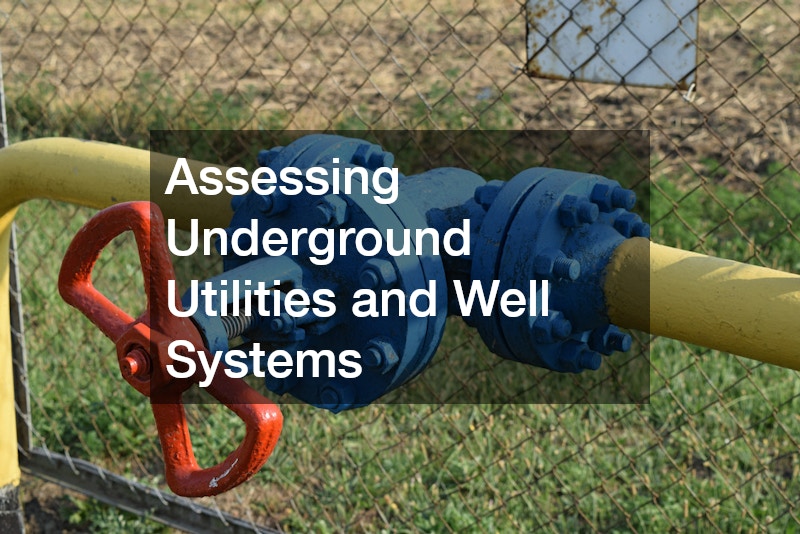
Homes relying on private water systems face an additional layer of complexity, since underground wells and pipes can shift along with unstable soil. If you notice sudden changes in water pressure or unexplained pooling in your yard, it may be worth calling well drillers to inspect the wellhead and casing for damage. Local drilling services can also determine whether nearby excavation or construction has disturbed the water table in ways that affect soil stability near your foundation. These inspections are especially important in rural areas where well systems and foundations share the same unpredictable ground conditions.
A cracked or shifted wellhead can sometimes mask a bigger issue, since inconsistent water flow is occasionally caused by shifting underground pipes rather than a failing component. Having well drillers examine the casing and surrounding soil promptly not only helps restore reliable water service but also gives specialists a chance to flag any unusual ground movement they observe during the inspection. In some cases, what looks like a simple well pump repair actually uncovers settling or pipe displacement tied to broader foundation issues. Addressing these systems together, rather than in isolation, gives homeowners a clearer picture of what is happening beneath their property.
Inspecting Concrete Driveways and Walkways for Settlement Clues
Cracked or sinking driveways and walkways are often dismissed as cosmetic issues, but they frequently signal the same soil instability that threatens a home’s foundation. Concrete is rigid and unforgiving, so when the soil beneath it shifts, expands, or washes away, the slab has nowhere to go but down or sideways. A driveway that’s cracked in a straight line versus one with jagged, spreading fractures can actually tell you different things about what’s happening underground.
When a paving company repairs or replaces a driveway, technicians often assess subgrade conditions that reveal drainage problems extending toward the house. They may dig test holes to check for poor compaction, expansive clay, or water infiltration channels that erode support from beneath the slab over time. A reputable paving company will flag these findings rather than simply pouring new concrete over an unstable base, since doing so just delays the same failure.
Noticeable dips, pooling water, or separation between slabs are all indicators that the ground beneath is settling unevenly. Gaps wider than a half-inch between joints, or a driveway that has visibly tilted away from the garage, suggest movement that’s been ongoing for months or years rather than a single event. Pay attention, too, to whether cracks reappear quickly after patching—that’s often a sign the underlying soil problem was never actually addressed.
Because driveways sit close to the foundation, their condition can serve as an early diagnostic tool for homeowners. If you notice settlement patterns on your driveway that point toward the house, it’s worth having both the pavement and the foundation’s soil conditions evaluated together, since they’re frequently symptoms of the same root cause.
- Cracks wider than a quarter inch running across the slab, especially if you can fit a nickel into the gap or see the crack continuing into the garage floor
- Sections of pavement sinking or tilting away from the house, creating a slope of more than an inch over a few feet
- Water pooling in low spots after rainfall, particularly near the foundation where it can seep into the soil and accelerate settling
- Gaps forming between the driveway and garage foundation, often signaling that the slab has shifted independently of the home’s footing
- Weeds or erosion appearing along slab edges, which can point to soil washout undermining the concrete’s support
- Uneven or repeated patching from past repairs, a sign the settlement issue was never actually fixed
- Cracks that reappear shortly after resealing or resurfacing, suggesting ongoing movement beneath the surface
Planning Outdoor Additions Without Compromising Soil Stability
Many homeowners want to add patios, decks, or walkways, but these additions can unintentionally affect drainage patterns if not planned carefully. Before scheduling patio installation, it is worth consulting with a professional about how the new surface will handle rainwater runoff relative to your home’s foundation. Poorly sloped patios can direct water back toward the house instead of away from it, undoing years of careful drainage management. Thoughtful design at this stage prevents costly problems later, especially in yards with heavy clay soil or minimal natural slope.
Materials matter as well, since permeable pavers allow water to filter through naturally, while solid concrete slabs require more deliberate grading to avoid runoff issues. Homeowners should ask contractors how new hardscaping will tie into existing drainage systems, including downspout extensions and yard grading. A well-planned outdoor space can actually improve foundation protection when it is designed with water management as a priority from the start.
Deciding Between Repair Options and Long-Term Monitoring
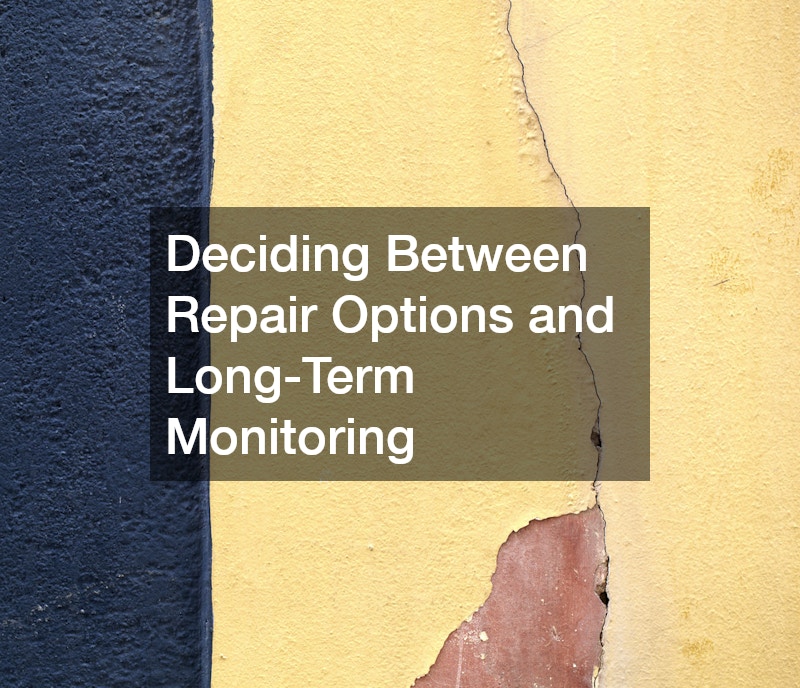
Not every crack requires immediate structural repair, but every crack deserves documentation and observation over time. Homeowners can track changes by photographing cracks monthly and noting whether they widen, which helps professionals determine whether the issue is active or stable. Structural engineers or foundation specialists typically categorize damage into cosmetic, moderate, and severe tiers, each requiring a different response timeline. Understanding this distinction helps homeowners avoid both unnecessary expense and dangerous delay.
- Cosmetic cracks under an eighth of an inch that remain stable
- Moderate cracks showing gradual widening over several months
- Severe cracks accompanied by visible wall bowing or door misalignment
- Sudden changes after heavy rain or drought periods
- Multiple crack locations appearing simultaneously
Building a Maintenance Routine That Protects Your Investment

Consistent seasonal maintenance is one of the most effective ways to prevent foundation problems from developing in the first place. Simple habits, like checking gutters after storms and monitoring soil moisture near the foundation, catch small issues before they escalate into expensive repairs. Homeowners should also keep records of any inspections or repairs performed by contractors, since this documentation proves valuable if problems resurface or if the home is sold later. Treating foundation care as an ongoing responsibility, rather than a one-time fix, protects both safety and property value over the long run.
Foundation damage does not have to threaten your home’s future if you stay observant, act on early warning signs, and address related systems like drainage, roofing, and siding before problems compound. Taking a whole-property approach, rather than viewing the foundation in isolation, gives you the clearest picture of what your home actually needs. If you have noticed cracks, uneven floors, or drainage issues, now is the time to schedule a professional inspection rather than wait for the problem to worsen. Acting today preserves both your home’s structural integrity and its long-term value for years to come.